
Read Time: 1 Min
Fatty Liver Disease: Overview and Management
Summary
Author :-Mr. Zeeshan Fayaz .
Clinical Pharmacologist & Toxicology ,
Certified Mental Health Counselor ,
Member of American clinical Pharmacological Society ,
Member of Indian Pharmacological Society (IPS).
Introduction
Fatty Liver Disease, commonly known as hepatic steatosis, happens when excess fat builds up in the liver cells. It has now become one of the leading liver problems worldwide, mainly due to poor diet, lack of exercise, and increasing rates of obesity and diabetes. The condition is broadly divided into Alcoholic Fatty Liver Disease (AFLD), caused by alcohol intake, and Non-Alcoholic Fatty Liver Disease (NAFLD), which occurs even in people who don’t drink alcohol.
Pathophysiology
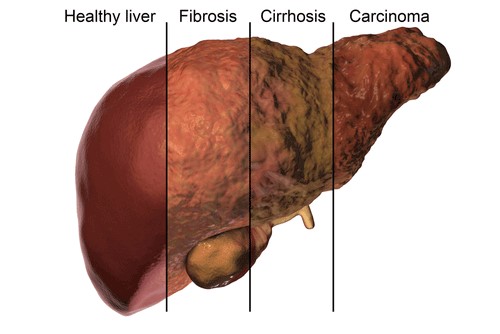
In fatty liver, the balance between fat production and breakdown in the liver is disturbed. This leads to fat storage inside liver cells. Insulin resistance is one of the main factors responsible, as it increases fat accumulation. Over time, this can cause inflammation and damage to liver cells, which may progress to non-alcoholic steatohepatitis (NASH), fibrosis, and eventually cirrhosis if not controlled.
Clinical Features and Diagnosis
In most cases, fatty liver does not cause obvious symptoms, which is why many people remain unaware of it. Some may feel tired, notice mild abdominal heaviness, or have slightly raised liver enzymes in blood tests.
Diagnosis is made using:
Liver Function Tests (LFTs) – mild rise in ALT or AST
Ultrasound or FibroScan – to detect fat and fibrosis
Liver biopsy – only if further confirmation is needed
Management
There is no specific medicine that cures fatty liver. The main focus is on lifestyle modification:
Weight loss: Losing even 7–10% of body weight can improve liver health.
Diet: Eat more fruits, vegetables, and high-fiber foods while avoiding fried and processed items.
Exercise: Regular physical activity, at least 30–45 minutes a day.
Avoid alcohol and control diabetes, cholesterol, and blood pressure.
Vitamin E and some insulin-sensitizing drugs may be used in selected cases, but only under medical advice.
Complications
If left untreated, fatty liver can progress to NASH, fibrosis, cirrhosis, and even liver cancer (HCC). Early detection and healthy habits can stop or reverse the condition in most cases.
Conclusion
Fatty Liver Disease is a silent but preventable problem. With timely diagnosis, weight management, and lifestyle changes, it can be completely reversed. Awareness and regular check-ups play an important role in preventing serious liver complications later in life.
References
Chalasani N, et al. Hepatology. 2018.
Younossi ZM, et al. Hepatology. 2016.
EASL Clinical Practice Guidelines. J Hepatol. 2021.
Case studies available upon request.
Please provide information on how we can help you and we will be in touch to help meet your requirements.