

Read Time: 6 Min
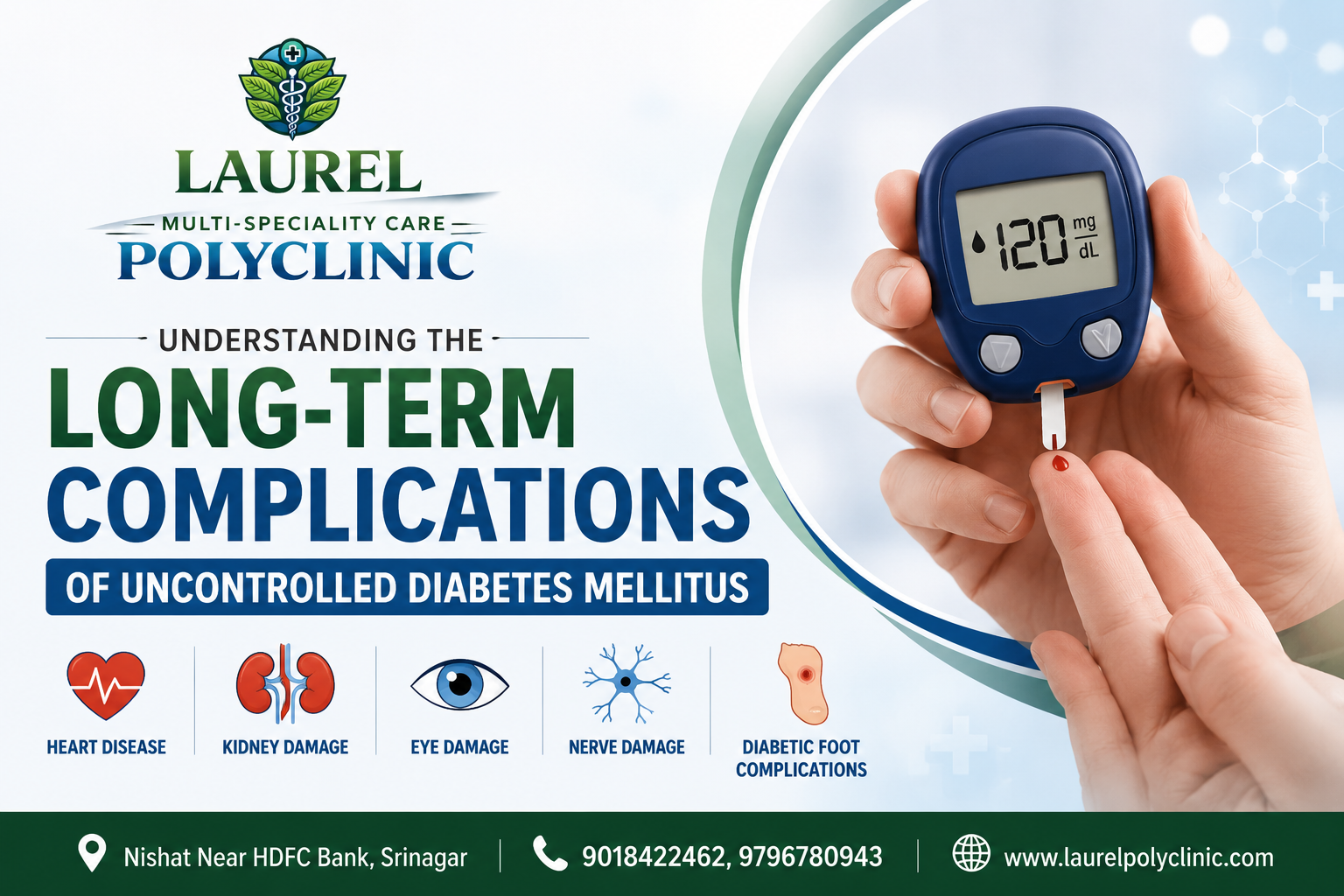
Understanding the Long-Term Complications of Uncontrolled Diabetes Mellitus
Author :-Mr. Zeeshan Fayaz .
Clinical Pharmacologist & Toxicology ,
Certified Mental Health Counselor ,
Member of American clinical Pharmacological Society ,
Member of Indian Pharmacological Society (IPS).
A Clinical Perspective on Prevention, Early Detection, and Comprehensive Management
Diabetes Mellitus is a chronic metabolic disorder characterized by persistent hyperglycemia resulting from defects in insulin secretion, insulin action, or both. Over the past few decades, the global burden of diabetes has increased dramatically, particularly Type 2 Diabetes Mellitus, owing to sedentary lifestyle, obesity, dietary changes, and increasing life expectancy.
While acute metabolic disturbances are important, the major clinical concern in diabetes remains the development of long-term microvascular and macrovascular complications resulting from prolonged uncontrolled hyperglycemia. These complications significantly contribute to morbidity, mortality, functional disability, and healthcare burden worldwide.
At Laurel Polyclinic, we strongly advocate for early diagnosis, strict glycemic control, patient education, and routine screening to minimize the long-term consequences of Diabetes Mellitus.
Pathophysiology of Chronic Hyperglycemia
Persistent elevation of blood glucose initiates a series of metabolic and vascular abnormalities including:
- Endothelial dysfunction
- Oxidative stress
- Advanced glycation end-product (AGE) formation
- Chronic low-grade inflammation
- Microvascular and macrovascular injury
These pathological mechanisms progressively damage multiple organ systems, particularly the cardiovascular, renal, neurological, and ophthalmic systems.
The risk and severity of complications correlate strongly with:
- Duration of diabetes
- Degree of glycemic control
- Presence of hypertension
- Dyslipidemia
- Smoking
- Obesity
- Poor treatment adherence
Microvascular Complications of Uncontrolled Diabetes
1. Diabetic Neuropathy
Diabetic neuropathy represents one of the most common chronic complications of diabetes and may involve peripheral, autonomic, proximal, or focal nerves.
Clinical Manifestations
Patients commonly present with:
- Distal symmetrical numbness
- Burning sensation in feet
- Tingling or paresthesia
- Reduced vibration and pain sensation
- Muscle weakness
- Gait instability
Autonomic neuropathy may additionally manifest as:
- Postural hypotension
- Gastroparesis
- Erectile dysfunction
- Bladder dysfunction
Peripheral neuropathy significantly increases the risk of diabetic foot ulcers and lower limb amputations.
Preventive Measures
- Optimal glycemic control
- Routine neurological examination
- Foot care education
- Early treatment of neuropathic symptoms
2. Diabetic Nephropathy
Diabetic nephropathy remains one of the leading causes of chronic kidney disease and end-stage renal failure globally.
Pathogenesis
Chronic hyperglycemia leads to:
- Glomerular hyperfiltration
- Basement membrane thickening
- Mesangial expansion
- Progressive glomerulosclerosis
Clinical Features
- Microalbuminuria progressing to overt proteinuria
- Hypertension
- Peripheral edema
- Declining glomerular filtration rate (GFR)
Without intervention, progressive renal dysfunction may ultimately require dialysis or renal transplantation.
Recommended Monitoring
- Urine albumin-to-creatinine ratio
- Serum creatinine and eGFR
- Blood pressure monitoring
Early use of renoprotective strategies significantly slows disease progression.
3. Diabetic Retinopathy
Diabetic retinopathy is a major cause of preventable blindness among adults.
Pathophysiology
Microvascular retinal damage leads to:
- Capillary leakage
- Retinal ischemia
- Neovascularization
Clinical Spectrum
- Non-proliferative diabetic retinopathy
- Proliferative diabetic retinopathy
- Diabetic macular edema
Patients may initially remain asymptomatic, emphasizing the importance of routine ophthalmological screening.
Preventive Strategy
- Tight glycemic control
- Blood pressure optimization
- Annual dilated retinal examination
Timely intervention can substantially reduce the risk of irreversible visual impairment.
Macrovascular Complications of Diabetes
1. Cardiovascular Disease
Cardiovascular disease remains the leading cause of mortality among diabetic patients.
Individuals with uncontrolled diabetes are at markedly increased risk of:
- Coronary artery disease
- Myocardial infarction
- Cerebrovascular accident (stroke)
- Peripheral arterial disease
Mechanisms
Diabetes accelerates atherosclerosis through:
- Endothelial dysfunction
- Dyslipidemia
- Chronic inflammation
- Platelet activation
Clinical Importance
Diabetes is often considered a cardiovascular risk equivalent due to the substantially elevated incidence of major adverse cardiovascular events.
Risk Reduction
- Glycemic optimization
- Lipid management
- Smoking cessation
- Blood pressure control
- Weight management
- Regular physical activity
2. Peripheral Vascular Disease and Diabetic Foot
Peripheral arterial disease combined with neuropathy predisposes diabetic patients to:
- Foot ulceration
- Soft tissue infection
- Gangrene
- Limb amputation
Minor trauma may rapidly progress due to impaired wound healing and poor circulation.
Clinical Recommendations
- Daily foot inspection
- Proper footwear
- Early treatment of wounds
- Regular vascular assessment
Prevention remains the most effective strategy in reducing diabetes-related amputations.
Increased Susceptibility to Infections
Hyperglycemia impairs neutrophil function, cellular immunity, and host defense mechanisms, increasing susceptibility to infections.
Common Infections in Diabetic Patients
- Skin and soft tissue infections
- Urinary tract infections
- Fungal infections
- Respiratory tract infections
- Periodontal disease
Poor glycemic control is associated with recurrent and more severe infections.
Psychological and Quality-of-Life Impact
Chronic diabetes and its complications may adversely affect mental health and psychosocial well-being.
Patients frequently experience:
- Anxiety
- Depression
- Emotional stress
- Reduced quality of life
- Treatment fatigue
Comprehensive diabetes care should therefore include psychological support and patient counseling when necessary.
Importance of Early Detection and Regular Screening
Many chronic diabetic complications develop silently during the early stages. Regular screening allows early identification and timely intervention before irreversible damage occurs.
Recommended Routine Evaluations
- HbA1c measurement
- Renal function testing
- Urine microalbumin assessment
- Lipid profile
- Blood pressure monitoring
- Comprehensive foot examination
- Annual retinal evaluation
Early multidisciplinary management significantly improves long-term outcomes.
Principles of Long-Term Diabetes Management
Successful diabetes management requires an integrated and individualized approach involving:
- Lifestyle modification
- Medical nutrition therapy
- Regular exercise
- Pharmacological treatment
- Patient education
- Continuous monitoring
The primary therapeutic objective is not merely glucose reduction, but prevention of long-term complications and preservation of overall health.
Expert Diabetes Care at Laurel Polyclinic
At Laurel Polyclinic, comprehensive diabetes care is provided with emphasis on evidence-based management, complication screening, and preventive healthcare.
Consultant Internal Medicine Specialist
Dr. Mushtaq Ahmad Bhat (MBBS, MD, MACP)
Former HOD Department of Medicine at M.O.H.I.B.S (KSA)
Consultation Timing: Every Day from 9:30 AM onwards
Services include:
- Diabetes diagnosis and management
- Hypertension and lipid management
- Screening for diabetic complications
- Lifestyle and dietary counseling
- Preventive health evaluation
- Long-term chronic disease management
Conclusion
Uncontrolled Diabetes Mellitus is a progressive systemic disease capable of causing significant long-term vascular and organ damage if not adequately managed. Chronic complications involving the cardiovascular system, kidneys, nerves, eyes, and peripheral vasculature contribute substantially to disability and mortality.
However, the majority of these complications can be prevented or delayed through:
- Early diagnosis
- Strict glycemic control
- Regular medical follow-up
- Lifestyle modification
- Patient awareness and adherence to treatment
A proactive and preventive approach remains the cornerstone of effective diabetes care.
Contact Information
📍 Laurel Polyclinic, Nishat Near HDFC Bank, Srinagar
📞 9018422462, 9796780943
🌐 Laurel Polyclinic Official Website
Case studies available upon request.
Please provide information on how we can help you and we will be in touch to help meet your requirements.