

Read Time: 1 Min
Understanding Prostate Health: When to Visit a Urologist for Prostate Symptoms
Understand prostate health, early symptoms of prostate disease, and the importance of timely urology consultation for conditions like BPH, prostatitis, and prostate cancer.
Summary
The prostate is a small but important gland in the male reproductive system, and problems related to it become more common with age. Because many prostate conditions share similar symptoms, men often ignore early warning signs or confuse them with normal aging. As future healthcare professionals, it is essential for us to understand how to recognize prostate symptoms and know when patients should be referred to a urologist. Early identification not only improves outcomes but also helps reduce anxiety and complications for patients.
Why Prostate Health Matters
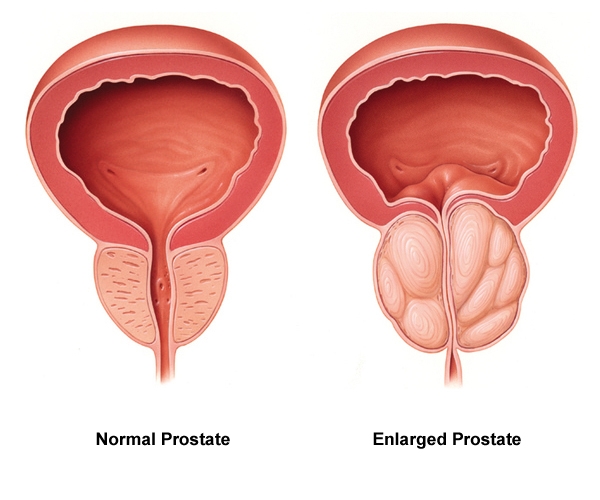
The prostate sits just below the bladder and surrounds the urethra, which means even small changes in its size or structure can affect urinary function. Conditions like benign prostatic hyperplasia (BPH), prostatitis, and prostate cancer can all interfere with everyday activities such as urination, sexual function, and overall quality of life. Since the symptoms often develop gradually, men may overlook them until the problem becomes more advanced.
Common Prostate Conditions and Their Early Signs
1. Benign Prostatic Hyperplasia (BPH)
BPH is the most frequent issue affecting older men. As the prostate enlarges, it narrows the urethra, leading to lower urinary tract symptoms.
Typical symptoms include:
-
Needing to urinate more often
-
Waking up at night to urinate (nocturia)
-
Weak urine flow
-
Difficulty starting urination
-
Feeling like the bladder does not completely empty
Although BPH is noncancerous, untreated symptoms can worsen with time.
2. Prostatitis
Prostatitis refers to inflammation of the prostate, which may be caused by infection or sometimes occur without any clear source. This condition can affect men of all ages.
Symptoms may include:
-
Pain in the pelvic or perineal area
-
Burning sensation during urination
-
Fever or malaise (in bacterial cases)
-
Pain during ejaculation
-
A sudden increase in urinary urgency or frequency
Chronic prostatitis can persist and significantly affect a patient’s daily life, requiring long-term management.
3. Prostate Cancer
Prostate cancer often grows slowly and may not cause early symptoms. This makes screening especially important for men with risk factors.
When symptoms appear, they may include:
-
Difficulty urinating
-
Blood in urine or semen
-
New-onset erectile issues
-
Bone pain (in advanced disease)
Early detection through PSA testing and physical examination increases the chances of successful treatment.
When Should a Patient Visit a Urologist?
Knowing when to refer is crucial in preventing complications. A urologist should be consulted if a patient presents with:
-
Persistent urinary symptoms such as frequent urination, weak flow, or nocturia
-
Pain or discomfort in the pelvic region, especially if it affects urination or ejaculation
-
Blood in urine or semen, even if it happens only once
-
Elevated PSA levels or abnormal findings on digital rectal exam
-
Family history of prostate cancer, which increases personal risk
-
Inability to empty the bladder, which can indicate obstruction
Prompt evaluation ensures the correct diagnosis and timely management.
How Prostate Problems Are Diagnosed
A urologist may use several tools to assess prostate health, such as:
-
Digital rectal examination (DRE)
-
Prostate-specific antigen (PSA) blood test
-
Urinalysis or urine culture
-
Prostate ultrasound
-
MRI for detailed imaging
-
Prostate biopsy when cancer is suspected
These investigations help differentiate between benign, infectious, and malignant causes.
Treatment Options
Treatment varies depending on the condition:
-
BPH may be managed with lifestyle changes, medications like alpha blockers or 5-alpha-reductase inhibitors, or minimally invasive procedures.
-
Prostatitis may require antibiotics, anti-inflammatory medications, or supportive therapies such as warm baths or pelvic floor exercises.
-
Prostate cancer treatment ranges from active surveillance to surgery, radiation therapy, hormonal therapy, or chemotherapy, depending on the stage and patient preferences.
Supporting Prostate Health
While not all prostate conditions are preventable, healthy habits can lower risk. Regular exercise, a balanced diet, moderate alcohol consumption, and avoiding tobacco all support prostate and overall health. Screening is particularly important for men over 50, or earlier for those with strong family histories or other risk factors.
Conclusion
Understanding prostate health is essential for identifying potential problems early and guiding patients toward appropriate care. Many men delay seeking help because prostate symptoms can be embarrassing or seem mild at first. As healthcare students and future clinicians, we must encourage open communication, promote early evaluation, and refer patients to urologists whenever symptoms raise concern. Early action can significantly improve outcomes and help men maintain a better quality of life as they age.
Case studies available upon request.
Please provide information on how we can help you and we will be in touch to help meet your requirements.